If you are thinking about medical school but feel overwhelmed by how the United States residency match works, you are not alone.
The residency Match can seem complicated. It involves rankings, algorithms, interviews, and a lot of uncertainty. But once you understand the process, it becomes much easier to plan your path.
More importantly, the right medical school can prepare you for this moment from the very beginning.
Whether you are planning ahead or trying to understand your options, this guide explains the residency Match in simple terms. It also shows how programs like the UQ-Ochsner Doctor of Medicine (MD) Program are designed to prepare students for residency success in the United States.
What is the medical residency Match?
The medical residency Match is the system that places graduating medical students into postgraduate training programs in the United States and its run by the National Resident Matching Program (NRMP).
Through this system, applicants and residency programs rank each other. A computer algorithm then matches students to programs based on those rankings.
You can think of it as a mutual selection process between future physicians and hospitals.
Matching is a major milestone. Medical school gives you the MD degree, but residency is where you train to become an independent physician.
For most specialties in the United States, the Match is the only pathway into residency training.
Why residency match success matters when choosing a medical school
When prospective students research medical schools, one number often stands out: residency match rate.
That is because matching into residency is the ultimate goal of medical training.
Strong match outcomes usually reflect three things:
- rigorous academic preparation
- meaningful clinical experience
- strong mentorship and advising
Programs that intentionally prepare students for the US residency system tend to produce stronger outcomes.
For example, the UQ-Ochsner MD Program prepares students for residency from day one.
Students complete:
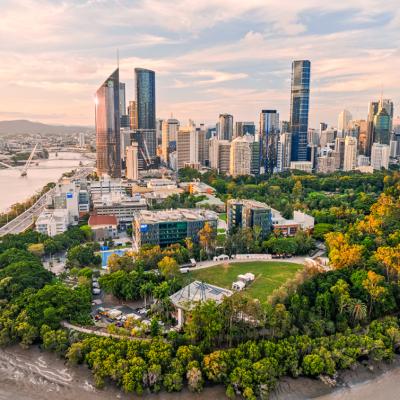
- Years 1–2 in Brisbane, Australia focusing on foundational medical science
- Years 3–4 in New Orleans, Louisiana completing clinical rotations at Ochsner Health
This structure allows students to build scientific foundations early, then transition into a large US health system for hands-on clinical training.
The result is a pathway designed specifically for the US residency process. In 2025, 97% of eligible UQ-Ochsner graduates matched into residency programs across the United States.
How the medical residency Match works
The Match process happens during the final year of medical school.
Here is the typical timeline.
1. Apply to residency programs
Students submit applications through the Electronic Residency Application Service (ERAS).
Applications usually include:
- USMLE scores
- transcripts and evaluations
- letters of recommendation
- personal statement
- CV
Students often apply to dozens of programs depending on their specialty.
2. Interview with residency programs
Programs review applications and invite selected applicants for interviews.
These interviews help programs evaluate candidates beyond test scores and allow applicants to determine whether a program fits their goals.
3. Rank programs
After interviews, both sides submit their preferences to the
National Resident Matching Program.
Applicants rank programs in order of preference. Programs rank the applicants they interviewed.
4. The algorithm runs
In March, the NRMP algorithm matches applicants and programs based on those rankings.
If both sides ranked each other highly enough, the applicant is matched to that residency program.
Once matched, the result is binding.
What makes an applicant competitive in the Match?
Residency selection committees look for more than grades or exam scores. They want evidence that an applicant is ready to succeed in clinical training.
Strong applicants usually have:
- passing USMLE Step 1
- strong USMLE Step 2 CK scores
- strong letters of recommendation
- clear career goals
- meaningful clinical experience in the United States
This is where medical school structure can make a big difference.
At UQ-Ochsner, students prepare for these milestones throughout the program. They complete their clinical training at Ochsner Health, one of the largest healthcare networks in the Gulf South.
Training in a US hospital environment helps students:
- build relationships with faculty physicians
- gain real US clinical experience
- receive strong letters of recommendation
These factors play a significant role when residency programs evaluate applicants.
Are residency interviews required?
Yes. Residency interviews are an essential part of the Match process.
Programs use interviews to evaluate professionalism, communication skills, and clinical readiness.
For applicants, interviews are equally important. They provide insight into:
- program culture
- clinical training environment
- lifestyle and work expectations
Most applicants attend as many interviews as they reasonably can. More interviews generally increase the chance of matching.
UQ-Ochsner students typically interview with programs across the United States during their final year of medical school.
What is Match Day?
Match Day is one of the most memorable moments in a physician’s career.
It usually takes place on the third Friday in March.
Here is how Match Week works.
Monday
Students learn whether they matched into a residency program.
Tuesday–Thursday
Unmatched applicants can participate in the
Supplemental Offer and Acceptance Program (SOAP).
Friday
Students receive their official match results and learn where they will train as residents.
Across the United States, medical schools celebrate Match Day with events where students open envelopes revealing their residency placements.
At UQ-Ochsner, Match Day is a major celebration. In 2025, 97% of eligible students matched, entering specialties such as:
- internal medicine
- surgery
- anesthesiology
- pediatrics
- psychiatry
- emergency medicine
What is SOAP?
Not every applicant matches on the first attempt. That is where SOAP comes in.
The Supplemental Offer and Acceptance Program allows unmatched applicants to compete for residency positions that remain unfilled.
The process moves quickly.
Monday morning
Applicants learn they are unmatched.
Monday afternoon
They receive a list of programs with open positions.
Tuesday to Thursday
Programs review applications and extend offers.
Applicants can accept one offer, which becomes a binding match.
While SOAP is stressful, it provides a real second chance. Many physicians begin successful careers through this pathway.
At UQ-Ochsner, students who enter SOAP receive direct advising and support from faculty experienced with the residency process.
Can you enter residency without the Match?
Technically yes, but it is uncommon.
Some specialties run separate application processes, including:
- military residencies
- early-match specialties such as urology
A small number of programs may also fill positions outside the Match if they remain open.
However, the vast majority of physicians enter residency through the
National Resident Matching Program.
What if you don’t match the first time?
Not matching can feel discouraging, but it does not mean the end of your medical career.
Many physicians successfully match in a later cycle after strengthening their applications.
Common next steps include:
- participating in SOAP
- completing a research year
- gaining additional clinical experience
- improving USMLE scores
- refining specialty choices
Support and mentorship during this period can make a major difference.
At UQ-Ochsner, graduates who need to reapply receive continued advising and guidance as they prepare for the next Match cycle.
Why preparation for residency should start in medical school
The residency Match is not something students should think about only during their final year of medical school.
Preparation begins much earlier.
Students benefit from programs that provide:
- structured USMLE preparation
- access to US clinical training environments
- mentorship from physicians who understand the residency system
- advising throughout the application process
The UQ-Ochsner MD Program was built around this model.
Students experience two healthcare systems, develop global perspectives on medicine, and complete their clinical training in a US hospital network.
For many students, this journey becomes more than a pathway to residency. It becomes a defining experience in their development as physicians.
Final thoughts
The medical residency Match can feel intimidating, but understanding the process makes it far less mysterious.
With the right preparation, mentorship, and clinical experience, medical students can position themselves for success in the US residency system.
For students seeking a pathway that combines global medical education with strong US residency outcomes, programs like the UQ-Ochsner MD Program offer a unique opportunity to train across two healthcare systems while preparing for a career in the United States.